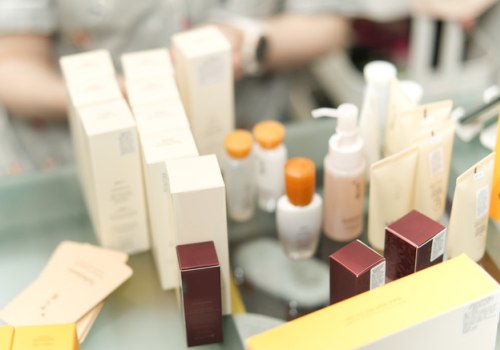
Understanding skincare products is essential for anyone looking to enhance their beauty routine. The world of skincare is vast, encompassing a variety of products designed to address different skin concerns. From cleansers and toners to serums and moisturizers, each product serves a unique purpose. For instance, cleansers are formulated to remove dirt and impurities, while serums often contain concentrated active ingredients aimed at targeting specific issues like aging or hyperpigmentation. Moreover, the effectiveness of these products largely depends on their ingredients.
Common components such as hyaluronic acidhyaluronic acid, retinol, and vitamin Cvitamin C are celebrated for their ability to hydrate, rejuvenate, and brighten the skin. Understanding these ingredients not only helps in selecting the right products but also emphasizes the importance of proper storage. Many active ingredients can degrade when exposed to light, heat, or air, making it crucial to store your skincare items correctly. As you delve deeper into the realm of skincare, you'll discover that the way you store these products can significantly impact their longevity and effectiveness. Whether you’re a skincare novice or a seasoned enthusiast, recognizing the various types of skincare products and their ingredients will prepare you for making informed decisions about both usage and storage.
Why Proper Storage Matters
Storing your skincare products properly is crucial for maintaining their effectiveness and extending their shelf life.Many people underestimate the impact that environmental factors can have on these products, leading to diminished results and wasted money.
Importance of Skincare Storage
- Temperature Control: Most skincare products are formulated to work best at specific temperatures. Exposure to heat can alter the chemical composition, making them less effective. For instance, creams and serums may separate or lose their intended texture.
- Light Exposure: UV rays can degrade active ingredients in your skincare products. Products containing antioxidants, such as vitamin C, are particularly sensitive to light.
Storing them in opaque containers or in a dark place can help preserve their potency.
- Humidity Levels: High humidity can lead to contamination, especially for products in jars. Bacteria thrive in moist environments, which can compromise the integrity of your skincare.
Effects of Improper Storage
- Reduced Efficacy: When products are not stored correctly, they may not deliver the promised results. For example, a serum that has been exposed to heat may not provide the hydration or anti-aging benefits it claims.
- Shelf Life Decrease: Improper storage can significantly shorten the lifespan of your skincare. Many products have a recommended shelf life, but exposure to unfavorable conditions can lead to spoilage before that time.
- Skin Reactions: Using compromised products can lead to adverse skin reactions, including irritation or breakouts.
This is particularly concerning for those with sensitive skin.
Ideal Storage Conditions for Skincare Products
When it comes to skincare products, understanding the ideal storage conditions is crucial for maintaining their efficacy and longevity. The two primary factors to consider are temperature and humidity.Optimal Temperature for Skincare
The ideal temperature for storing most skincare products is between 60°F and 75°F (15°C to 24°C). This range helps preserve the active ingredients and prevents them from degrading.Here are some specific guidelines:
- Serums and Oils: These products often contain sensitive ingredients like vitamins and antioxidants. Store them in a cool, dark place, away from direct sunlight.
- Creams and Moisturizers: Keep these in a stable environment, as fluctuations in temperature can cause separation or changes in texture.
- Sunscreens: Since they are designed to protect your skin from UV rays, it’s essential to store them at room temperature to maintain their effectiveness.
The Role of Humidity
Humidity levels also play a significant role in the storage of skincare products. High humidity can lead to condensation inside product containers, which may promote bacterial growth. Ideally, aim for a humidity level of around 30% to 50%.Here are some tips:
- Avoid Bathrooms: While it may seem convenient, the bathroom is often too humid for proper skincare storage. Instead, opt for a bedroom or a dedicated skincare cabinet.
- Use Airtight Containers: For products that are particularly sensitive to moisture, consider using airtight containers to minimize exposure.
How to Store Different Types of Skincare Products
Storing your skincare products properly is essential to maintain their effectiveness and longevity. Different types of products require specific storage conditions to ensure they remain potent and safe for use.Storing Creams
When it comes to creams, it’s best to keep them in a cool, dry place away from direct sunlight.Exposure to heat and light can degrade the active ingredients. Consider using a dark-colored container or keeping them in a drawer to minimize exposure. Always ensure the lid is tightly sealed after each use to prevent contamination.
Storing Serums
Serums are often packed with concentrated active ingredients, making proper storage crucial. Store serums in a refrigerator if possible, as cooler temperatures can help preserve their efficacy.If refrigeration isn’t an option, keep them in a dark cabinet away from humidity and heat sources. Always check for any changes in color or texture before use.
Storing Oils
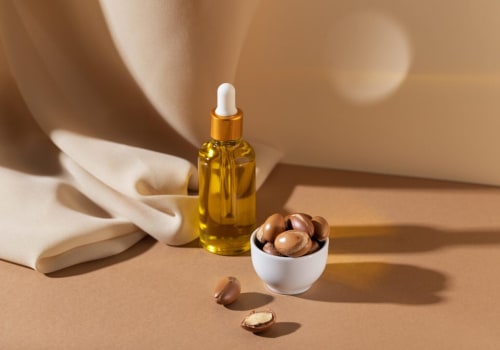
Facial oils should be stored in a cool, dark place to prevent oxidation. Exposure to light and air can cause oils to go rancid quickly. Opt for amber or cobalt blue bottles, which help protect the oil from UV rays.Make sure the cap is tightly closed after each use to limit air exposure.
Storing Masks
For masks, especially those that are water-based or contain natural ingredients, it’s important to follow the manufacturer’s instructions. Many masks benefit from refrigeration, which can also enhance their soothing effects when applied. Keep them sealed tightly and store them upright to avoid spills.By following these specific storage tips for your skincare products, you can ensure they remain effective and provide the best results for your skin.Common Mistakes in Skincare Storage
When it comes to skincare storage, many individuals unknowingly make mistakes that can compromise the effectiveness of their products. Understanding these common pitfalls is essential for maintaining the integrity of your skincare routine.- Storing Products in Direct Sunlight: One of the most frequent errors is keeping skincare products in areas exposed to direct sunlight, such as windowsills or bathroom counters.
UV rays can degrade active ingredients, reducing their efficacy. Instead, opt for a cool, dark place to store your products.
- Ignoring Expiration Dates: Many people overlook the expiration dates on their skincare products. Using expired items can lead to skin irritation or ineffective results. Regularly check your products and dispose of any that have passed their expiration date.
- Improper Temperature Control: Extreme temperatures can negatively affect skincare formulations.
Avoid storing products in places that experience significant temperature fluctuations, such as near heaters or in the fridge. A consistent room temperature is ideal for most products.
- Not Sealing Containers Properly: Failing to securely close jars and bottles can expose your skincare products to air and bacteria, leading to contamination. Always ensure that lids are tightly sealed after use.
- Overcrowding Storage Spaces: Storing too many products in one area can lead to confusion and potential cross-contamination. Organize your skincare items by type or usage frequency to make it easier to find what you need while keeping them safe.
Traveling with Skincare Products
Traveling can be a challenge for skincare enthusiasts, especially when it comes to packing skincare products.To ensure your skin remains healthy and radiant while on the go, consider these essential tips for travel skincare storage.
- Choose Travel-Sized Containers: Opt for travel-sized versions of your favorite products or invest in reusable travel containers. This not only saves space but also complies with airline regulations regarding liquid carry-ons.
- Prioritize Multi-Use Products: When packing, select products that serve multiple purposes. For example, a moisturizer with SPF can replace both your moisturizer and sunscreen, reducing the number of items you need to carry.
- Use a Cosmetic Bag: A dedicated cosmetic bag with compartments can help keep your skincare organized and protected. Look for one that is waterproof to prevent leaks from damaging your other belongings.
- Keep Products Cool: If you’re traveling to a warm destination, consider using insulated bags or cooling packs to keep your products at an optimal temperature.
Heat can degrade certain ingredients, making them less effective.
- Avoid Overpacking: Stick to the essentials. A basic routine consisting of a cleanser, moisturizer, and sunscreen is often sufficient. This not only lightens your load but also simplifies your routine while away.
- Pack in Layers: Place heavier items at the bottom of your bag and lighter ones on top. This helps prevent breakage and keeps everything secure during transit.
- Seal Products Properly: Ensure that all containers are tightly sealed to avoid spills.
Consider using tape over the openings of products that are prone to leaking.
- Check Regulations: Always check the latest travel regulations regarding liquids before you pack. This will save you time and hassle at security checkpoints.
FAQs About Skincare Storage
When it comes to skincare storage, many people have questions about the best practices to ensure their products remain effective and safe to use. Here are some frequently asked questions:How to Store Skincare in Summer?
During the hot summer months, it's crucial to keep your skincare products in a cool, dry place.High temperatures can alter the formulation of your products, making them less effective. Here are some tips:
- Avoid direct sunlight: Store your products in a cabinet or drawer away from windows.
- Use a cool room: If possible, keep your skincare in a room that remains cool, especially if you live in a hot climate.
- Consider a fridge: For certain products like serums and masks, refrigeration can enhance their cooling effects and prolong their shelf life.
Can You Refrigerate Skincare?
Yes, you can refrigerate certain skincare products! Here are some benefits:- Soothing effects: Cooling gels and eye creams can reduce puffiness and provide a refreshing sensation.
- Extended shelf life: Products with natural ingredients may benefit from lower temperatures, slowing down degradation.
- Enhanced absorption: Cold products can help tighten pores, allowing for better absorption when applied.
Best Containers for Skincare Storage
The right containers can make a significant difference in how well your skincare products are preserved. Consider the following options:- Airtight jars: These prevent air exposure, which can lead to oxidation and spoilage.
- Dark glass bottles: Protect against light exposure that can degrade sensitive ingredients like vitamins C and E.
- Pump dispensers: Minimize contamination by allowing you to dispense only what you need without touching the product directly.
Conclusion: Best Practices for Storing Skincare Products
In conclusion, understanding the best practices for storing skincare products is essential for maintaining their efficacy and longevity. Proper storage not only preserves the active ingredients but also ensures that your skincare routine remains effective and safe. Here are some key takeaways to remember:- Temperature Control: Keep your skincare products in a cool, dry place.
Avoid exposing them to extreme temperatures, as heat can degrade ingredients and cold can alter their consistency.
- Light Protection: Store products in opaque containers or in a dark cabinet to protect them from UV light, which can break down sensitive compounds.
- Humidity Awareness: Bathrooms may not always be the best place for skincare storage due to high humidity levels. Consider using a dedicated drawer or shelf in a climate-controlled room.
- Seal and Close: Always ensure that containers are tightly sealed after use to prevent contamination and oxidation.
- Expiration Dates: Regularly check expiration dates and discard any products that have surpassed their shelf life to avoid skin irritation or adverse reactions.