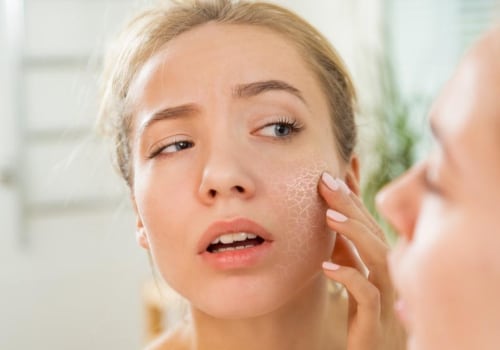
Dry skin is a common condition that can affect individuals of all ages, often leading to discomfort and self-consciousness. Understanding the causes of dry skin is essential for effective skincare. Environmental factors such as low humidity, harsh weather conditions, and exposure to hot water can strip the skin of its natural moisture. Additionally, lifestyle choices like inadequate hydration, poor diet, and excessive use of alcohol-based products can exacerbate the problem. Moreover, underlying health conditions such as eczema, psoriasis, or thyroid disorders can contribute significantly to dry skin.
These conditions often require specialized skincare routines tailored to address their unique symptoms. Recognizing the signs of dry skin is equally important; symptoms may include flakiness, tightness, redness, and even cracking in severe cases. By identifying these symptoms early on, individuals can take proactive steps to restore their skin's health. Incorporating a comprehensive skincare regimen that focuses on hydration and nourishment is crucial for those suffering from dry skin. This includes using moisturizers that contain ingredients like hyaluronic acid and glycerin, which help attract and retain moisture. regimen that focuses on hydration and nourishment is crucial for those suffering from dry skin. This includes using moisturizers that contain ingredients like hyaluronic acid and glycerin, which help attract and retain moisture.
Understanding the interplay between environmental factors, lifestyle choices, and health conditions will empower readers to make informed decisions about their skincare practices.
The Importance of Hydration in Skincare
Hydration plays a crucial role in skincare, serving as the foundation for maintaining healthy, vibrant skin. When the skin is adequately hydrated, it functions optimally, allowing for better absorption of nutrients and improved barrier protection against environmental stressors.One of the primary reasons to prioritize hydration in your skincare routine is its ability to prevent and treat dry skin. Dry skin can lead to a range of issues, including flakiness, irritation, and premature aging. By ensuring that your skin is well-hydrated, you can help mitigate these problems and promote a smoother, more youthful appearance.Benefits of Proper Hydration
- Enhanced Elasticity: Well-hydrated skin retains its elasticity, making it less prone to sagging and wrinkles.
- Improved Texture: Hydration helps to smooth out rough patches and gives the skin a plump, healthy look.
- Balanced Oil Production: When the skin is hydrated, it can regulate oil production more effectively, reducing the likelihood of breakouts.
- Stronger Skin Barrier: A hydrated skin barrier is essential for protecting against pollutants and harmful bacteria.
Drinking sufficient water daily also contributes significantly to your skin's health. When your body is well-hydrated from within, it reflects on your skin's surface, enhancing its overall appearance.In conclusion, understanding the importance of hydration in skincare is vital for anyone looking to maintain healthy skin. By incorporating both topical hydrating products and adequate water intake into your routine, you can achieve a radiant complexion that stands the test of time.
Top Ingredients for Hydrating Dry Skin
When it comes to hydrating dry skin, the right ingredients can make all the difference. Here are some of the top ingredients known for their exceptional hydrating properties:- Hyaluronic Acid: This powerful humectant can hold up to 1,000 times its weight in water, making it a superstar in skincare formulations.
It draws moisture from the environment into the skin, providing intense hydration and plumping effects. Look for products that contain hyaluronic acid to help maintain skin elasticity and reduce the appearance of fine lines.
- Glycerin: Another effective humectant, glycerin works similarly to hyaluronic acid by attracting moisture to the skin. It not only hydrates but also helps to strengthen the skin barrier, making it an essential ingredient in moisturizers for dry skin. Glycerin is often found in creams and lotions, providing a smooth and soft texture.
- Ceramides: These lipid molecules are crucial for maintaining the skin's natural barrier.
Ceramides help to lock in moisture and protect against environmental aggressors. Incorporating ceramide-rich products into your skincare routine can significantly improve hydration levels and restore the skin's protective barrier.
- Squalane: Derived from olives or sugarcane, squalane is a lightweight oil that mimics the skin's natural oils. It provides deep hydration without clogging pores, making it suitable for all skin types. Squalane not only hydrates but also helps to balance oil production, making it a versatile ingredient in moisturizers for dry skin.
Always check product labels to ensure these ingredients are included, and consider layering products for maximum effect.
Daily Skincare Routine for Hydrating Dry Skin
To effectively hydrate dry skin, establishing a consistent skincare routine is essential. Here’s a step-by-step guide to help you achieve optimal hydration.- Cleansing: Start your day with a gentle, hydrating cleanser that won’t strip your skin of its natural oils. Look for products containing ingredients like glycerin or hyaluronic acid. Cleanse your face twice daily—once in the morning and once before bed—to remove impurities without over-drying.
- Toning: After cleansing, apply a hydrating toner.
This step is crucial as it helps to balance your skin’s pH and adds an extra layer of moisture. Choose alcohol-free toners with soothing ingredients such as rose water or aloe vera to calm and hydrate your skin.
- Moisturizing: Next, apply a rich moisturizer that is specifically formulated for dry skin. Look for creams that contain occlusive agents like shea butter or ceramides, which help lock in moisture. Apply the moisturizer while your skin is still slightly damp to maximize hydration.
- Serums and Treatments: Incorporate a hydrating serum into your routine, ideally one that contains hyaluronic acid or vitamin E.
These ingredients can penetrate deeper layers of the skin, providing additional hydration. For extra care, consider using a facial oil at night to seal in moisture.
- Sun Protection: Don’t forget to apply sunscreen every morning, even on cloudy days. A broad-spectrum SPF will protect your skin from UV damage while preventing further dryness.
Lifestyle Changes to Improve Skin Hydration
To effectively combat dry skin, making certain lifestyle changes can significantly enhance your skin's hydration levels.Here are some key factors to consider:
Diet for Healthy Skin
Your diet plays a crucial role in maintaining skin hydration. Incorporate foods rich in essential fatty acids, such as:- Avocados - Packed with healthy fats and vitamins that nourish the skin.
- Fatty fish - Salmon and mackerel are excellent sources of omega-3 fatty acids, which help maintain the skin's lipid barrier.
- Nuts and seeds - Almonds and flaxseeds provide vitamin E and omega-3s, promoting skin elasticity.
- Fruits and vegetables - Foods high in antioxidants, like berries and leafy greens, protect the skin from damage and support hydration.
Hydration Tips
In addition to a balanced diet, staying adequately hydrated is essential. Aim to drink at least 8 glasses of water daily. Here are some tips to help:- Carry a water bottle - Keeping water within reach encourages regular sipping throughout the day.
- Infuse your water - Adding slices of fruits like lemon or cucumber can make drinking water more enjoyable.
- Limit dehydrating beverages - Reduce intake of caffeine and alcohol, as they can lead to increased fluid loss.
Environmental Considerations
The environment also affects skin hydration.Here are some strategies to mitigate its impact:
- Use a humidifier - Especially during winter months, a humidifier can add moisture to the air, preventing your skin from drying out.
- Avoid hot showers - While they may feel relaxing, hot water can strip natural oils from your skin. Opt for lukewarm showers instead.
- Sunscreen is essential - Protecting your skin from UV rays helps maintain its moisture levels and prevents further dryness.
Common Mistakes to Avoid When Hydrating Dry Skin
When it comes to hydrating dry skin, many individuals unknowingly fall into common traps that can hinder their skincare efforts. Understanding these mistakes is crucial for achieving the best results.- Neglecting to Moisturize After Cleansing: One of the most frequent errors is failing to apply moisturizer immediately after cleansing.
This is a critical step because it helps to lock in moisture while your skin is still damp. Skipping this can lead to further dryness.
- Using Harsh Cleansers: Many people opt for strong cleansers that strip the skin of its natural oils. Instead, choose gentle, hydrating cleansers that maintain your skin's moisture barrier.
- Over-Exfoliating: While exfoliation can be beneficial, overdoing it can damage the skin's protective layer and exacerbate dryness. Limit exfoliation to once or twice a week and opt for mild exfoliants.
- Ignoring Ingredients: Not all products are created equal.
Avoid skincare products with alcohol or synthetic fragrances, as these can irritate and dry out the skin. Look for ingredients like hyaluronic acid, glycerin, and ceramides that actively hydrate.
- Forgetting Sunscreen: Sun exposure can lead to further dehydration and damage. Always apply a broad-spectrum sunscreen daily, even on cloudy days, to protect your skin from harmful UV rays.
- Not Drinking Enough Water: Hydration starts from within. Many people overlook the importance of drinking adequate water throughout the day.
Aim for at least eight glasses to help maintain your skin's moisture levels.
FAQs About Hydrating Dry Skin
When it comes to hydrating dry skin, many people have questions about the best practices and products to use. Here are some frequently asked questions that can help clarify common concerns.What causes dry skin?
Dry skin can be caused by a variety of factors, including:- Environmental conditions such as cold weather or low humidity.
- Hot showers or baths that strip natural oils.
- Harsh soaps and detergents that can irritate the skin.
- Medical conditions like eczema or psoriasis.
- Aging, which decreases the skin's ability to retain moisture.
How often should I moisturize my skin?
For optimal hydration, it is recommended to moisturize at least twice a day—once in the morning and once before bed. Additionally, applying moisturizer immediately after bathing can help lock in moisture.Are there specific ingredients I should look for in moisturizers?
Yes! Look for products containing:- Hyaluronic acid, which attracts moisture to the skin.
- Glycerin, a humectant that helps retain water.
- Ceramides, which restore the skin barrier and prevent moisture loss.
- Shea butter or coconut oil, which provide deep hydration and nourishment.
Can drinking water improve dry skin?
While staying hydrated by drinking water is essential for overall health, it may not directly resolve dry skin issues.However, proper hydration can support your skin's elasticity and overall appearance. Pairing adequate water intake with topical treatments is the best approach.
Is it safe to use oils on dry skin?
Yes, using oils can be beneficial for dry skin. Oils like jojoba, argan, and almond oil can provide an extra layer of moisture and help seal in hydration. Just ensure you choose non-comedogenic oils if you are prone to breakouts.If you have persistent dry skin despite following these tips, consider consulting a dermatologist for personalized advice and treatment options.Conclusion: Key Takeaways for Hydrating Dry Skin Effectively
In conclusion, effectively hydrating dry skin requires a multifaceted approach that combines proper skincare practices with a commitment to maintaining moisture levels.Here are the key takeaways to remember:
- Choose the Right Products: Opt for moisturizers that contain ingredients like hyaluronic acid, glycerin, and ceramides, which are known for their hydrating properties.
- Establish a Routine: Consistency is crucial. Incorporate hydration into your daily skincare routine by applying moisturizers immediately after bathing to lock in moisture.
- Stay Hydrated Internally: Drinking plenty of water throughout the day supports skin hydration from within. Aim for at least eight glasses of water daily.
- Avoid Harsh Ingredients: Steer clear of products with alcohol or strong fragrances, as these can exacerbate dryness and irritation.
- Consider Humidifiers: Using a humidifier in your home can add moisture to the air, which is especially beneficial during dry winter months.
Prioritize hydration, and your skin will thank you for it!.