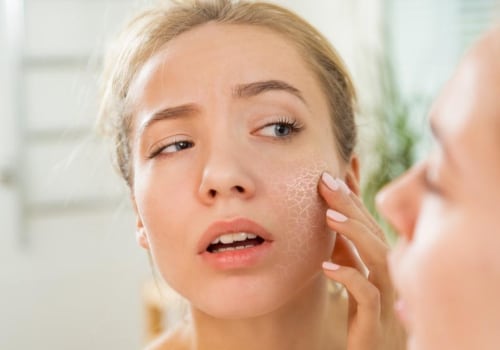
As we age, our skin undergoes various changes, leading to the emergence of fine lines, wrinkles, and a loss of elasticity. Anti-aging productsAnti-aging products are specifically formulated to combat these signs of aging, helping to restore a youthful appearance and improve overall skin health. Understanding what these products are and how they function is essential for anyone looking to enhance their skincare routine. The benefits of incorporating anti-aging products into your daily regimen are numerous. Not only do they help reduce the visibility of existing wrinkles and fine lines, but they also promote collagen production, improve skin texture, and enhance hydration.
Many users report a more radiant complexion and increased confidence as a result of using these targeted treatments. However, the effectiveness of these products largely depends on their active ingredients. Common anti-aging ingredients include retinoids, hyaluronic acid, peptides, and antioxidants like vitamin C. Retinoids are known for their ability to accelerate cell turnover and stimulate collagen synthesis, while hyaluronic acid provides intense hydration by attracting moisture to the skin. Peptides work at a cellular level to repair and rejuvenate skin, and antioxidants protect against environmental damage that can accelerate aging. include retinoids, hyaluronic acid, peptides, and antioxidants like vitamin C. Retinoids are known for their ability to accelerate cell turnover and stimulate collagen synthesis, while hyaluronic acid provides intense hydration by attracting moisture to the skin. Peptides work at a cellular level to repair and rejuvenate skin, and antioxidants protect against environmental damage that can accelerate aging. , peptides, and antioxidants like vitamin C. Retinoids are known for their ability to accelerate cell turnover and stimulate collagen synthesis, while hyaluronic acid provides intense hydration by attracting moisture to the skin. Peptides work at a cellular level to repair and rejuvenate skin, and antioxidants protect against environmental damage that can accelerate aging. include retinoids, hyaluronic acid, peptides, and antioxidants like vitamin C. Retinoids are known for their ability to accelerate cell turnover and stimulate collagen synthesis, while hyaluronic acid provides intense hydration by attracting moisture to the skin. Peptides work at a cellular level to repair and rejuvenate skin, and antioxidants protect against environmental damage that can accelerate aging.
By familiarizing yourself with these ingredients, you can make informed choices that align with your specific skincare needs.
Assessing Your Skin Type and Concerns
Understanding your skin type and specific concerns is crucial for selecting the right anti-aging products. Here’s how to assess your skin effectively:How to Determine Your Skin Type
Your skin type can generally be categorized into five main types: normal, oily, dry, combination, and sensitive. To determine your skin type, follow these simple steps:- Cleanse your face: Use a gentle cleanser to remove makeup and impurities.
- Wait for an hour: Allow your skin to return to its natural state without applying any products.
- Observe: After an hour, check how your skin feels:
- Normal: Comfortable, not too oily or dry.
- Oily: Shiny, especially in the T-zone (forehead, nose, chin).
- Dry: Tight, flaky, or rough texture.
- Combination: Oily in some areas and dry in others.
- Sensitive: Prone to redness, irritation, or reactions.
Identifying Skin Concerns
Your specific skin concerns will also guide your choice of anti-aging products. Common concerns include:- Fine lines and wrinkles: Often appear with age and can be targeted with retinoids or peptides.
- Dullness: Lack of radiance may require exfoliating acids or brightening serums.
- Pore size: Enlarged pores can benefit from products containing salicylic acid or niacinamide.
- Laxity: Sagging skin may respond well to firming creams with collagen-boosting ingredients.
Create a Personalized Skincare Routine
Your skincare routine should be tailored to your unique skin type and concerns.Start by selecting a gentle cleanser suitable for your skin type. Follow up with a toner if needed, then apply targeted treatments for specific concerns. Finally, finish with a moisturizer and sunscreen during the day. Incorporating anti-aging products should be gradual; start with one product at a time to monitor how your skin reacts.
Building a Basic Skincare Routine
Establishing a basic skincare routine is essential for maintaining healthy skin and preparing it for the incorporation of anti-aging products.A well-structured routine not only enhances the effectiveness of these products but also ensures that your skin remains balanced and nourished.
Essential Skincare Steps
- Cleansing: Start your day and end your night with a gentle cleanser. This step removes dirt, oil, and impurities that accumulate on your skin. Choose a cleanser suited to your skin type—gel for oily skin, cream for dry skin, or micellar water for sensitive skin.
- Moisturizing: After cleansing, apply a moisturizer to hydrate your skin. This step is crucial as it helps to lock in moisture and create a barrier against environmental stressors.
Look for a moisturizer that contains ingredients like hyaluronic acid or glycerin for optimal hydration.
- Sun Protection: In the morning, always finish your routine with a broad-spectrum sunscreen of at least SPF 30. Sun damage is one of the leading causes of premature aging, so protecting your skin from UV rays is vital.
Morning and Evening Routine
Your morning routine should focus on protection and hydration, while your evening routine can include more intensive treatments. In the evening, after cleansing, consider adding serums or treatments that target specific concerns such as fine lines or uneven texture. This is where you can start incorporating anti-aging products like retinol or peptides.By establishing this foundational routine, you create an optimal environment for your skin to absorb and benefit from more advanced anti-aging treatments.
Remember, consistency is key; sticking to this basic routine will yield the best results over time.
Incorporating Anti-Aging Products: Step-by-Step Guide
Incorporating anti-aging products into your skincare routine can seem daunting, but with a structured approach, it becomes manageable and effective. Here’s a step-by-step guide to help you seamlessly integrate these products into your existing regimen.- Start with a Clean Slate: Always begin with a clean face. Use a gentle cleanser to remove makeup, dirt, and excess oil. This prepares your skin to absorb the active ingredients in your anti-aging products.
- Apply Toner (Optional): If you use a toner, apply it after cleansing.
A toner can help balance your skin's pH and enhance the absorption of subsequent products.
- Layering Order: The order of application is crucial for maximizing the benefits of your anti-aging products. Follow this general guideline:
- Serums: Start with lightweight serums that contain potent ingredients like hyaluronic acid or vitamin C. These should be applied first as they penetrate deeper into the skin.
- Treatments: If you have specific concerns such as fine lines or dark spots, apply targeted treatments next. Look for products containing retinol or peptides.
- Moisturizers: After serums and treatments, apply a moisturizer to lock in hydration.
Choose one that complements your anti-aging goals, such as those with antioxidants or peptides.
- Sunscreen: In the morning, finish with a broad-spectrum sunscreen to protect against UV damage, which can accelerate aging.
Key Ingredients to Look For in Anti-Aging Products
When it comes to selecting the right anti-aging products, understanding the key ingredients can significantly enhance your skincare routine. Here are some of the most effective components to look for:- Retinol: A derivative of vitamin A, retinol is renowned for its ability to promote cell turnover and stimulate collagen production.
This ingredient helps reduce the appearance of fine lines and wrinkles, making it a staple in many anti-aging formulations.
- Hyaluronic Acid: Known for its incredible moisture-retaining properties, hyaluronic acid can hold up to 1,000 times its weight in water. This ingredient not only hydrates the skin but also plumps it up, giving a more youthful appearance.
- Peptides: These small chains of amino acids play a crucial role in building proteins like collagen and elastin. Incorporating peptides into your skincare can help improve skin texture and firmness, making them essential for any anti-aging regimen.
- Antioxidants: Ingredients such as vitamin C, vitamin E, and green tea extract protect the skin from free radical damage caused by environmental stressors. Antioxidants help brighten the complexion and reduce signs of aging by neutralizing harmful molecules.
Always consider your skin type and consult with a dermatologist if you're unsure which products will work best for you.
Common Mistakes to Avoid When Using Anti-Aging Products
Incorporating anti-aging products into your skincare routine can be a game-changer, but many individuals fall into common traps that can hinder their results. Here are some mistakes to avoid:- Overusing Anti-Aging Products: One of the most prevalent mistakes is the belief that more is better. Using multiple anti-aging products simultaneously or applying them in excessive amounts can lead to skin irritation and diminished effectiveness. Instead, focus on a few key products that suit your skin type and use them as directed.
- Neglecting Patch Testing: Before fully integrating a new anti-aging product, it’s crucial to conduct a patch test.
This helps identify any adverse reactions your skin may have to the ingredients. Apply a small amount on a discreet area and wait 24 hours to see if any irritation occurs.
- Ignoring Product Interactions: Some ingredients in anti-aging products can interact negatively with others, leading to reduced efficacy or skin issues. For example, combining retinol with certain acids can cause excessive dryness or peeling. Always check ingredient compatibility and consult with a dermatologist if unsure.
- Skipping Sunscreen: Many people forget that sun protection is vital when using anti-aging products, especially those containing retinoids or alpha hydroxy acids (AHAs).
These ingredients can make your skin more sensitive to UV rays, so applying a broad-spectrum sunscreen daily is essential.
- Being Inconsistent: Consistency is key in any skincare routine. Skipping days or not following through with your regimen can prevent you from seeing the desired results. Establish a routine that fits your lifestyle and stick to it for the best outcomes.
FAQs About Anti-Aging Skincare Products
When it comes to anti-aging skincare, many individuals have questions about how to effectively incorporate these products into their routines. Here are some frequently asked questions that can help clarify common concerns.How long does it take to see results from anti-aging products?
The timeline for seeing results from anti-aging products can vary significantly based on the specific ingredients used and your skin type.Generally, you may start to notice improvements in skin texture and tone within 4 to 6 weeks of consistent use. However, for more dramatic changes, such as reduced fine lines and wrinkles, it may take up to 12 weeks or longer. Patience and consistency are key!
Can you start using anti-aging products too early?
Many people wonder if there is an ideal age to begin using anti-aging skincare. While there is no definitive answer, starting in your mid-20s to earlyUsing products with antioxidants, such as vitamin C, can help protect your skin from environmental damage. However, it's essential to choose products that suit your skin type and concerns. Starting too early with heavy-duty treatments may lead to irritation or sensitivity.
What ingredients should I look for in anti-aging products?
When selecting anti-aging skincare, look for ingredients that are backed by research. Some of the most effective include:- Retinoids: Promote cell turnover and stimulate collagen production.
- Peptides: Help improve skin elasticity and firmness.
- Hyaluronic Acid: Provides hydration and plumps the skin.
- AHA/BHA: Exfoliates dead skin cells for a smoother appearance.
- Sunscreen: Protects against UV damage, which accelerates aging.
Conclusion: Crafting Your Personalized Anti-Aging Skincare Routine
In conclusion, crafting your personalized anti-aging skincare routine is a journey that requires careful consideration of your unique skin type, concerns, and lifestyle.By integrating the right products and techniques, you can effectively combat the signs of aging and promote a youthful appearance. To recap the essential steps:
- Identify Your Skin Type: Understanding whether you have oily, dry, combination, or sensitive skin is crucial in selecting the right products.
- Choose Targeted Ingredients: Look for key ingredients such as retinol, hyaluronic acid, and peptides, which are known for their anti-aging properties.
- Establish a Consistent Routine: Consistency is key in skincare. Aim to follow your routine both morning and night to see optimal results.
- Don’t Forget Sun Protection: Incorporating a broad-spectrum sunscreen into your daily regimen is vital to protect your skin from UV damage, which accelerates aging.
- Monitor Your Skin’s Response: Pay attention to how your skin reacts to new products. Adjust your routine as necessary to avoid irritation.
Start today by evaluating your current routine and making small adjustments that align with your anti-aging goals. Your skin will thank you!.