Oily skin is a common skin type characterized by an overproduction of sebum, the natural oil produced by the sebaceous glands. This excess oil can lead to a shiny complexion and may contribute to various skin issues, such as acne and enlarged pores. Understanding the causes of oily skin is essential for developing an effective skincare routine that addresses these concerns without stripping the skin of its natural moisture. Several factors can contribute to excess oil production, including genetics, hormonal changes, and environmental influences. For instance, individuals with a family history of oily skin are more likely to experience similar issues.
Hormonal fluctuations, particularly during puberty, menstruation, or pregnancy, can also trigger increased sebum production. Additionally, external factors such as humidity and temperature can exacerbate oily skin conditions. When it comes to skincare for oily skin, it is crucial to strike a balance between removing excess oil and maintaining hydration. Many people mistakenly believe that harsh cleansers or astringents are the best solutions for oily skin; however, these products can lead to irritation and further oil production as the skin attempts to compensate for lost moisture. Therefore, understanding the nature of oily skin is vital for selecting appropriate products and techniques that effectively manage oil levels while promoting overall skin health.
The Importance of a Balanced Skincare Routine
Maintaining a balanced skincare routine is crucial for individuals with oily skin.While it may seem counterintuitive, the key to managing excess oil lies in understanding the delicate balance between hydration and oil control. When the skin is stripped of its natural oils through harsh products, it can trigger an overproduction of sebum, leading to a cycle of oiliness and breakouts.To achieve this balance, consider incorporating the following elements into your skincare routine:
- Gentle Cleansing: Use a mild, sulfate-free cleanser that effectively removes dirt and excess oil without disrupting the skin's natural barrier.
- Hydrating Toner: Opt for a toner that contains hydrating ingredients like hyaluronic acid or rose water. This helps to replenish moisture while preparing the skin for subsequent products. Opt for a toner that contains hydrating ingredients like hyaluronic acid or rose water. This helps to replenish moisture while preparing the skin for subsequent products.
- Lightweight Moisturizer: Choose a non-comedogenic moisturizer that hydrates without clogging pores. Gel-based formulas are often ideal for oily skin types.
- Regular Exfoliation: Incorporate gentle exfoliation into your routine 1-2 times a week to remove dead skin cells and prevent clogged pores, which can exacerbate oiliness.
These ingredients not only target excess oil but also promote a clearer complexion.Ultimately, the goal of a balanced skincare routine is to maintain healthy skin without compromising its natural moisture levels. By focusing on both hydration and oil control, you can achieve a radiant complexion that feels comfortable and looks vibrant.
Gentle Cleansing Techniques for Oily Skin
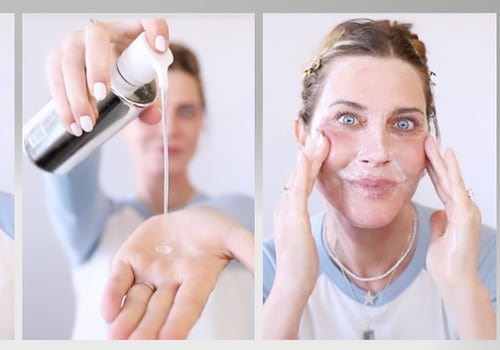
When it comes to managing oily skin, gentle cleansing techniques are essential to remove excess oil without compromising the skin's natural moisture barrier. Here are some effective methods and product recommendations to consider:- Choose the Right Cleanser: Opt for a gentle foaming cleanser or a gel-based formula that is specifically designed for oily skin. Look for ingredients like salicylic acid or tea tree oil, which can help control oil production while being mild on the skin.
- Avoid Harsh Ingredients: Steer clear of cleansers containing alcohol or sulfates, as these can strip the skin of its natural oils, leading to increased oil production as a compensatory mechanism.
- Double Cleansing Method: For those who wear makeup or sunscreen, consider the double cleansing method.
Start with an oil-based cleanser to dissolve makeup and impurities, followed by a gentle water-based cleanser to remove any remaining residue.
Effective Cleansing Techniques
In addition to selecting the right products, employing proper cleansing techniques can enhance your skincare routine:- Use Lukewarm Water: Hot water can irritate the skin and stimulate more oil production. Instead, use lukewarm water to cleanse your face.
- Gentle Massage: When applying your cleanser, use gentle circular motions with your fingertips. This helps to lift away dirt and oil without causing irritation.
- Limit Cleansing Frequency: While it may be tempting to wash your face multiple times a day, stick to twice daily cleansing. Over-cleansing can lead to dryness and trigger more oil production.
Remember, the goal is not just to remove excess oil but also to preserve your skin's natural balance.
Choosing the Right Ingredients for Oil Control
When it comes to managing oily skin, selecting the right skincare ingredients is crucial. Certain components can effectively control oil production while ensuring your skin remains hydrated and healthy. Here are some key ingredients to consider:- Salicylic Acid: This beta hydroxy acid (BHA) penetrates deep into the pores, helping to dissolve excess oil and prevent breakouts. It also has anti-inflammatory properties, making it ideal for those with acne-prone skin.
- Niacinamide: Known for its ability to regulate sebum production, niacinamide also strengthens the skin's barrier and improves overall texture.
This ingredient is excellent for maintaining moisture without adding extra oil.
- Clay: Ingredients like kaolin and bentonite clay absorb excess oil and impurities from the skin. They can be found in masks or cleansers, providing a deep cleanse without over-drying.
- Witch Hazel:Witch Hazel: A natural astringent, witch hazel helps tighten pores and reduce oiliness. It also has soothing properties that can calm irritated skin.
- Tea Tree Oil: This essential oil is renowned for its antibacterial properties, making it effective in treating acne while controlling oil production. However, it should be used sparingly to avoid irritation.
Look for products that combine these elements to maximize their benefits while keeping your skin hydrated. Remember, the goal is not to strip your skin of its natural oils but to find a harmonious balance that promotes a clear and healthy complexion.
Natural Remedies to Reduce Excess Oil
Managing excess oil on the skin can be a challenge, but there are several natural remedies that can help balance oil production without stripping the skin of its essential moisture. Here are some effective DIY skincare solutions you can try at home:- Tea Tree Oil: Known for its antibacterial properties, tea tree oil can help reduce oiliness and prevent breakouts. Dilute a few drops in a carrier oil, such as jojoba or coconut oil, and apply it to the affected areas.
- Aloe Vera: This soothing plant not only hydrates the skin but also helps control excess oil.
Apply fresh aloe vera gel directly to your face and leave it on for about 20 minutes before rinsing.
- Apple Cider Vinegar: A natural astringent, apple cider vinegar can help balance the skin's pH levels. Mix one part apple cider vinegar with three parts water and use it as a toner after cleansing.
- Clay Masks: Clay, particularly bentonite or kaolin clay, is excellent for absorbing excess oil. Create a mask by mixing clay with water or yogurt and apply it once a week to draw out impurities.
- Oatmeal: Oatmeal is not only a great exfoliant but also helps absorb oil. Make a paste by mixing ground oatmeal with water and apply it to your face for 15-20 minutes before rinsing off.
However, it's essential to patch test any new ingredient to ensure it doesn't irritate your skin. Consistency is key; regular use of these natural remedies can lead to healthier, more balanced skin over time.
The Role of Moisturizers in Oily Skin Care
When it comes to managing oily skin, many people mistakenly believe that skipping moisturizer will help reduce excess oil. However, this approach can lead to an imbalance in the skin's natural moisture levels, potentially causing even more oil production. Instead, using a moisturizer specifically formulated for oily skin is crucial for maintaining a healthy complexion.Lightweight moisturizers
are ideal for those with oily skin, as they provide hydration without the heaviness that can clog pores.Look for products labeled as "oil-free" or "non-comedogenic," which means they won't contribute to breakouts. Ingredients such as hyaluronic acid , glycerin , and aloe vera are excellent choices, as they hydrate the skin while allowing it to breathe.Incorporating a hydrating product into your skincare routine can also help balance oil levels. For instance, gel-based moisturizers are particularly effective because they absorb quickly and leave a matte finish. This type of moisturizer not only hydrates but also helps control shine throughout the day.
- Benefits of using moisturizers for oily skin:
- Prevents over-drying: Keeping the skin hydrated prevents the overproduction of oil.
- Balances oil levels: A good moisturizer helps regulate sebum production.
- Improves skin texture: Hydrated skin appears smoother and healthier.
- Key ingredients to look for:
- Salicylic acid: Helps to exfoliate and clear pores.
- Niacinamide: Reduces inflammation and regulates oil production.
- Zinc: Known for its oil-controlling properties.
By choosing lightweight, hydrating products, you can effectively manage excess oil while ensuring your skin remains healthy and balanced.
Lifestyle Changes to Manage Oily Skin
Managing oily skin effectively often requires a holistic approach that includes lifestyle changes. By making adjustments to your daily habits and diet, you can significantly reduce oil production without resorting to harsh treatments.Dietary Adjustments
Your diet plays a crucial role in the health of your skin. Incorporating foods rich in omega-3 fatty acids, such as salmon, walnuts, and flaxseeds, can help regulate oil production. Additionally, consider increasing your intake of fruits and vegetables, particularly those high in antioxidants like berries, spinach, and carrots.These foods not only nourish your skin but also combat inflammation.Avoiding processed foods and sugars is equally important. High-glycemic foods can lead to spikes in insulin levels, which may trigger increased oil production. Instead, focus on whole grains, lean proteins, and healthy fats to maintain balanced skin.
Hydration is Key
Staying hydrated is essential for maintaining healthy skin. Drinking plenty of water helps flush out toxins and can reduce the appearance of excess oil.Aim for at least eight glasses a day, and consider herbal teas as a beneficial alternative.
Stress Management
Stress can exacerbate oily skin by triggering hormonal changes that increase oil production. Incorporating stress-reducing activities into your routine can be beneficial. Practices such as yoga, meditation, or even regular exercise can help lower stress levels and improve overall skin health.Sleep Hygiene
Never underestimate the power of a good night’s sleep. Aim for 7-9 hours of quality sleep each night to allow your body to repair itself.Poor sleep can lead to increased stress hormones, which may contribute to oily skin.By implementing these lifestyle changes, you can manage oily skin more effectively and promote a healthier complexion naturally. Remember that consistency is key; it may take time to see significant improvements.
FAQs About Managing Oily Skin
Managing oily skin can be challenging, and many people have questions about the best practices to keep excess oil at bay without compromising skin health. Here are some frequently asked questions:- What causes oily skin? Oily skin is primarily caused by overactive sebaceous glands that produce excess sebum. Factors such as genetics, hormonal changes, and environmental conditions can contribute to this condition.
- How often should I wash my face if I have oily skin? It is generally recommended to wash your face twice a day—once in the morning and once before bed.
Use a gentle cleanser that is specifically formulated for oily skin to avoid stripping the skin of its natural moisture.
- Can I use moisturizer on oily skin? Absolutely! It’s a common misconception that oily skin doesn’t need moisturizer. Opt for lightweight, oil-free moisturizers that hydrate without adding extra oil.
- Are there specific ingredients I should look for in skincare products? Yes, look for products containing salicylic acid, niacinamide, or witch hazel. These ingredients help control oil production and minimize the appearance of pores.
- Is it okay to use exfoliants on oily skin? Yes, but moderation is key. Exfoliating 1-2 times a week with a gentle exfoliant can help remove dead skin cells and prevent clogged pores, but over-exfoliating can lead to irritation and increased oil production.
Conclusion: Achieving Healthy Skin Balance
In conclusion, achieving a healthy skin balance is essential for those struggling with excess oil.Throughout this article, we have explored various methods to effectively manage oily skin without compromising its natural moisture. It is crucial to remember that over-cleansing or using harsh products can lead to a cycle of oiliness and irritation, ultimately worsening the condition. To maintain a balanced skincare routine, consider the following key points:
- Gentle Cleansing: Opt for a mild, sulfate-free cleanser that removes excess oil without stripping the skin of its natural barrier.
- Hydration is Key: Use lightweight, non-comedogenic moisturizers that hydrate the skin without adding extra oil.
- Regular Exfoliation: Incorporate gentle exfoliation into your routine to remove dead skin cells and prevent clogged pores, but avoid over-exfoliating.
- Targeted Treatments: Utilize products containing ingredients like salicylic acid or niacinamide to help control oil production and minimize breakouts.
With patience and the right strategies, you can successfully manage oily skin while maintaining its health and vitality.